

The Algorithm Knows What You Like. That Is Precisely the Problem.
Codes of Desire || As algorithms reshape how desire is formed, the brands that will win are not the ones with the best technology. They are the ones with the deepest cultural roots.
Find our full ecosystem in one place. Find our podcast, articles, reports, and ways to work with us on our LinkTree, including booking a 1:1 with Carlota. You can also explore the full ecosystem at beyondluxury.group.
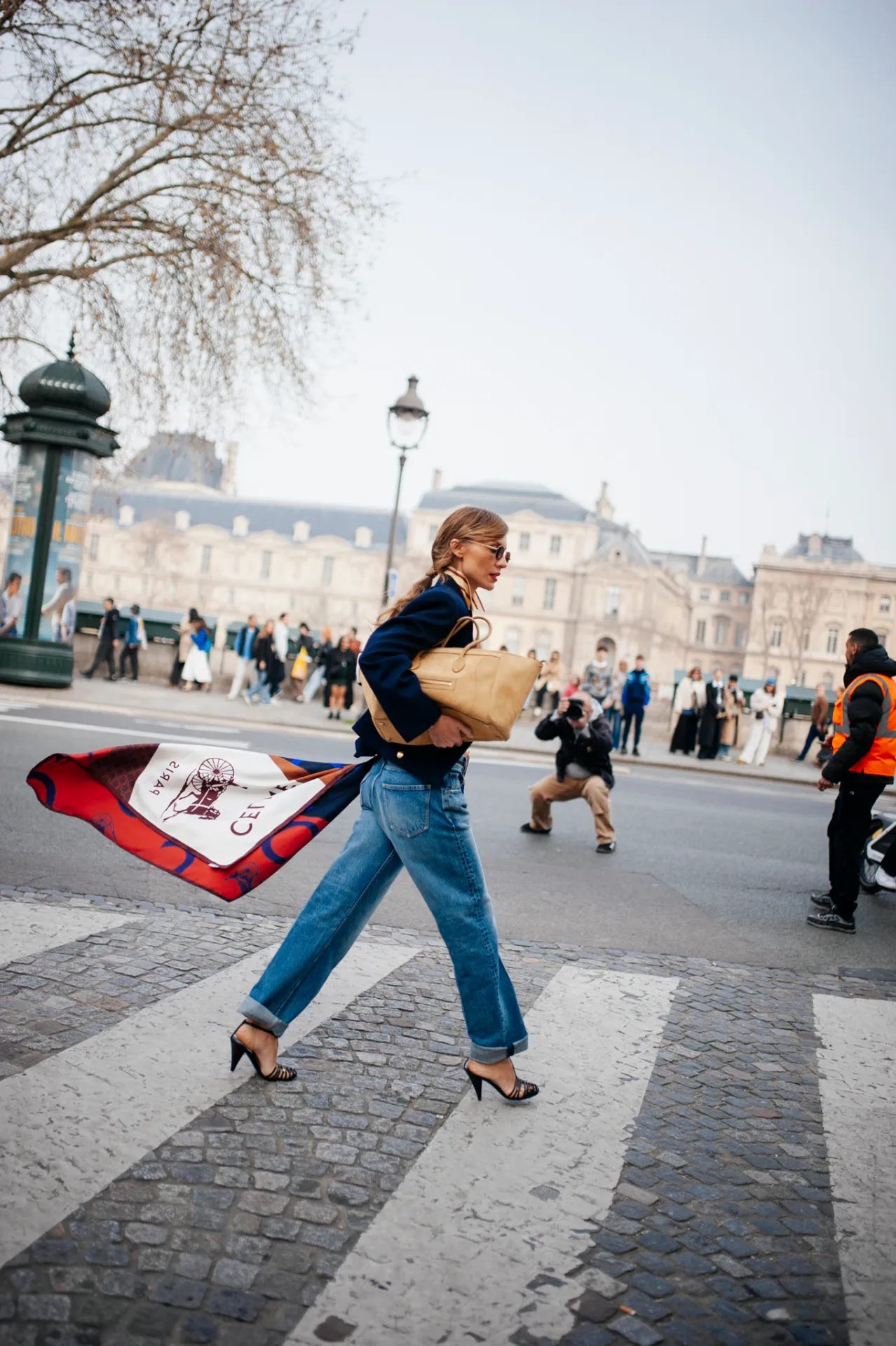
In the middle of Paris Fashion Week, a rare concentration of human taste becomes visible. Editors move between shows wearing outfits that reference decades of fashion history. A vintage runway piece appears in an unexpected context. A stylist pairs an archival Japanese design with an emerging label from Stockholm. Every outfit reads like a cultural sentence, references and memories and personal decisions layered on top of one another. It feels alive in a way that is becoming harder to find.
Because outside of that environment, something is shifting in ways the industry has not yet fully reckoned with. The way desire forms is changing. The way taste develops is changing. And the way luxury brands have historically earned their place in a person’s life is under a pressure that has very little to do with price points or product quality.
Technology is changing how luxury brands work, but more importantly it is shaping the context in which desire and taste evolve. And for an industry whose entire value proposition rests on the idea that what it offers cannot be replicated, that is not only a technology question.
What happens to taste when choice itself is being delegated? What happens to desire when discovery becomes automated? And what does luxury actually have left to offer in a world where an algorithm can predict what you want before you know you want it?
The answers are more urgent, and more interesting, than most of the industry is currently acknowledging.
This shows why culture, judgment, and taste cannot be left to technology alone. Human insight remains central, as seen in the appointment of Charles Porch to OpenAI, where his role bridges technology and cultural understanding.
TL;DR: What you’ll miss if you stop here
Taste is the new currency – Luxury is shifting from wealth signals to cultural judgment; human curation, knowledge, and context determine influence and status.
Technology reshapes discovery but cannot replace humans – Algorithms optimise access, but true desire, exploration, and cultural depth still depend on human insight.
Experiences and physical presence matter more than ever – Events like Paris Fashion Week and human-authored storytelling create irreplaceable spaces where taste is performed, debated, and felt.
More from Beyond Luxury on this topic:


P.S. We work with leaders and teams who sense the shift before the data fully catches up. If you’re questioning where the future of luxury, desire, and culture are heading next for your brand and how your storytelling, experiences, channels, and talent need to adapt, we’re always open to a conversation.
Reply here or contact us at info@beyondluxury.group
